

In the endless scroll of our online lives, what do you pause for? Is it a powerful headline? A disturbing video? More often than not, it’s one incredible photo. A photo that doesn’t merely show you something but makes you feel something. In an instant, it communicates a story, mood, and promise. But this powerful connection is rarely an accident. Behind almost every successful brand image stands an invisible yet vital art form: strategic photo editing. Photo Editing – in Digital Marketing and Branding simply means that your brand speaks instead of you.
Photo editing is commonly perceived as a method of superficial enhancement—nipping a wrinkle here, bleaching a sky there. But in online marketing and branding, it’s so much more. It’s the silent narrator of your brand’s heritage, the architect of your visual identity, and a main driver of consumer behavior. However, It’s the difference between a product photo that gets ignored and one that gets clicked on. There is a connection between a raw camera shot and a masterpiece in marketing communication.
This article delves deep into the multifaceted role of photo editing, moving beyond the simple filters to uncover how it shapes brand identity, influences consumer psychology, and ultimately, drives business success.
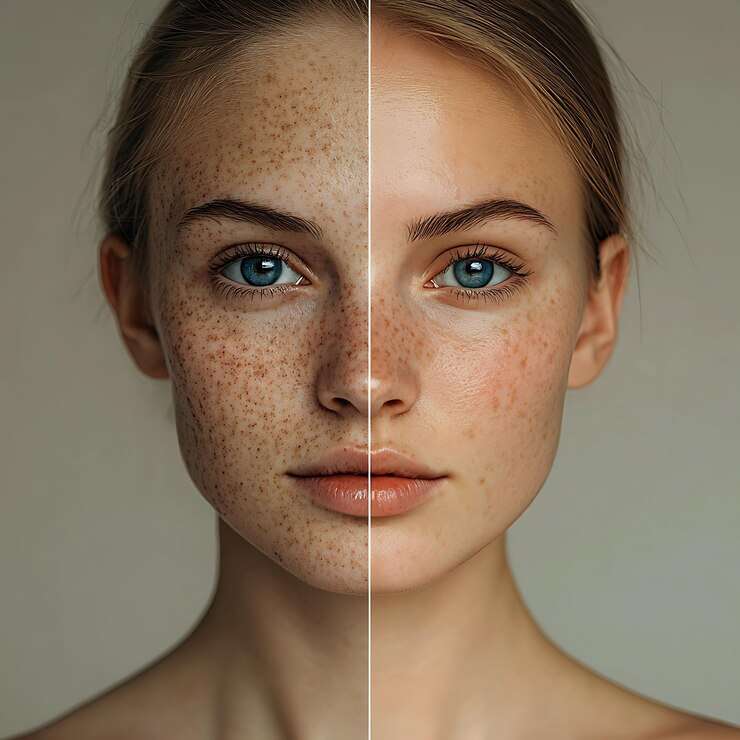
1. Forging a Cohesive Brand Identity: More Than Just a Pretty Picture
Your brand identity is the sum of all its parts—your logo, your tone, your values, and most importantly, your visual aesthetic. Consistency is key. Your customer should be able to recognize your brand content on their Instagram feed, website, or email newsletter without even seeing your name. Photo editing is the primary method for achieving this visual consistency.
Creating a Unique Colour Palette:
Every brand has a colour story. Think of the warm, inviting tones of the cozy coffee shop’s Instagram feed, or the bright, high-energy saturation of a sportswear brand. It doesn’t occur by chance. Commercial image editing produces a colour grade that is consistent across all imagery. Editors closely adjust hues, saturation, and luminance to ensure that every image, whether lifestyle or product, sits within the brand’s unique visual universe. This consistent color palette is a subconscious trigger for brand recognition. Photo Editing – in Digital Marketing and Branding cannot be ignored as the visuals speaks for the products. Read the article in Wikipedia.
Setting Mood and Tone:
Photo editing is the director of your brand’s emotional stage.
High-Key vs. Low-Key: Bright, airy, high-key editing can evoke feelings of optimism, cleanliness, and simplicity—perfect for a skincare or wellness brand. Dark, moody, low-key editing with deep shadows and rich contrast can imply luxury, mystery, and sophistication, perfect for a luxury watchmaker or a boutique hotel.
Sharpness and Texture: A sharp, high-definition image with heightened sharpness can communicate precision and quality, perfect for a tech company. A softer image with a bit of film grain can communicate nostalgia and authenticity, perfect for a retro-style fashion brand. Photo Editing – in Digital Marketing and Branding.
Standardizing these editing choices, a brand renders its visual language clear, consistent, and continuously reinforcing its core message. Here is what a graphic designer do.
2. The Psychology of the Pixel: How marketing is not about ads but also visuals
Photo editing is more than aesthetics; it is a means of psychological manipulation. Every tweak and adjustment is designed to guide the viewer’s eye, invoke a specific sentiment, and lead them toward desired behavior.
Controlling the Viewer’s Gaze:
Our eyes are naturally drawn to high contrast, sharpness, and brightness. Editors capitalize on this. Vignetting (ever so slightly darkening the edges of a picture) or selective sharpening focus the viewer’s eye directly on the most important element—the product. By softening the background ever so slightly (creating a shallow depth of field), these two techniques make the subject pop out, appearing larger and more attractive. This is not distortion of reality but elimination of distraction and direction of attention where it is most required for the marketing purpose. Photo Editing – in Digital Marketing and Branding, digital marketing solely implies whether the brand is trustable.
The Subtleties of Colour Psychology:
While a brand’s overall colour palette is significant, editing single colours within an image can invoke emotional responses. A red dress can be intensified by an experienced editor to generate passion and energy, or the blues within an ocean image can be deepened to inspire calmness and trust. In food photography, increasing the saturation and warmth of a meal can make it more appealing and inviting, directly stimulating the viewer’s appetite and desire.
Creating Aspiration:
In lifestyle marketing, brands don’t just sell products; they sell an experience, an emotion, a more desirable version of ourselves. Photo editing is key to building this aspirational narrative. It’s about removing a distracting power outlet from the wall of a fashionably appointed living room or cleaning up a stray bit of litter from an otherwise pristine beach scene. The goal is to create a shiny, idealized version of reality that allows the consumer to identify himself or herself with the image and associate the good feelings it evokes with the brand itself.
3. Practical Applications Across the Digital Marketing Spectrum
The tactical importance of photo editing becomes very evident when we look at its application across different marketing channels.
E-commerce and Product Photography:
For an online store, your store front is your product images. Here, there are two fundamental reasons for editing: accuracy and appeal.
Color Correction:
Ensuring the colour of the product in the image is a true reflection of the real product is not a choice. Improper colour correction is one of the primary reasons for returns and complaints from customers.
Background Removal:
Placing products in front of a plain, white background is the standard. It provides a distraction-free perspective, offers a professional and uniform appearance across the product catalog, and is typically a requirement for marketplace sites like Amazon.
Detail Enhancement:
For products like jewelry or electronics, editing is used to enhance details, bring out texture, and highlight fine features that a raw photo might not be able to pick up.
Social Media Marketing:
Visual platforms like Instagram are battlefields where brands have milliseconds to grab attention. A consistent and quality feed is all that matters.
The “Scroll-Stopping” Image:
Editing creates images that are bold, vibrant, and composed in a manner to halt the unconscious scroll. This involves cropping strategically, contrast manipulation, and colour grading to make the image “pop” on a small screen.
Preset Culture:
Many brands and influencers make their own editing presets (stored settings) to apply to all of their photos so that their feed is perfectly curated and instantly recognizable.
Website and Content Marketing:
Your hero image is your digital handshake. Photo editing makes this image not only beautiful but also functional. Editors can ensure the composition allows space for text overlays, reduce file sizes for faster page loading (one of the key SEO considerations) with no loss of quality, and that the imagery perfectly supports the website design. For excellent free tools and guide read this blog – An ultimate guide for photo editing in – 2025
4. Walking the Ethical Tightrope: Authenticity vs. Aspiration
No discussion of photo editing would be complete without some reference to the ethical considerations. When consumers are starving for authenticity, where does a brand draw the line? Over-editing, especially when it comes to manipulating human bodies or making products appear misleadingly effective, can backfire and annihilate trust.
The new attitude is to edit not as a method of deceit, but of augmentation and clarification.
Augment, Don’t Manipulate:
Your goal must be to make your subject or product appear its best, not to transform it into something it’s not. This means cleaning up blemishes, modifying colors, and eliminating distractions, but not altering the form or function of the subject in some essential manner.
Transparency is Key:
Beauty and fashion brands, specifically, are embracing more transparency. Some now overtly signal when an image has been Photoshopped or utilize hashtags like #NoFilter to build trust with their audience.
Focus on Storytelling:
The best and most ethical editing is that which benefits the story. If you’re selling a durable, all-weather jacket, editing the photo to look gritty, windblown, and a bit gloomy enhances the story of the product’s toughness. This is accurate to the brand promise, even if the photo is quite stylized.
The Final Cut
In the competitive landscape of online marketing, not taking heed of the strategic role played by photo editing is like trying to build a house without a blueprint. It’s a background component that supports all aspects of a brand’s visual communications approach.
It’s the strict process that transforms a regular photograph into a powerful brand asset. It establishes recognition through consistency, affects consumers with psychological triggers, increases conversions in e-commerce, and captures attention on social media.
Next time you’re captivated by a brand’s image, look again. Behind the beautiful subject and skilled composition, you’ll find the invisible hand of a talented editor—a storyteller, a strategist, and an invaluable player in the art of building a modern brand. The picture may be worth a thousand words, but the right edit makes them all sing in perfect harmony.